In the following, you will be shown different strategies, tips and tricks on how to better understand English audios even when presented with different accents or dialects. By the end of this unit, you will have learned how to prepare for different listening tasks, including an exam situation.
Summary:
Listening Comprehension is the skill of hearing a spoken language and being able to actively listen and understand the information that is being communicated. This can refer to conversations, but also listening to the radio, podcasts or music. There are a few basic tips to help you improve your listening skills:
- Don’t sweat the small stuff: You don’t have to understand every single word to follow what is being said. Understanding from context what is being communicated and filling in the gaps yourself is an important part of listening comprehension.
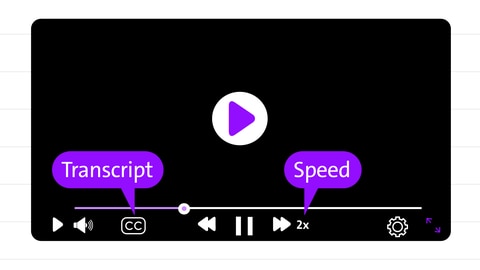
- Start with slow audios: Either find audios that are made for learners of English, educational audios that are designed to be slower, or just use the speed settings in players to adjust the speed. It might be a little unusual in the beginning, but you will get used to it quickly.
- Use transcripts only as a back-up: While reading along to what you’re hearing, like for example with subtitles, can make it easier to understand, it doesn’t help your listening skills. Always try to just focus on the audio input first and use transcripts or subtitles to double check afterwards.
- Seek out varieties: Every person speaks with an accent, be it different accents from native English speakers, like Southern US-American or London Cockney, or other non-native speakers that you will come across. Actively seek out different accents and dialects to familiarize yourself with the sound of them.
- Keep a notebook: You probably already have a vocabulary note book but try also collecting common sayings or phrases you come across. It will be easier recognizing a phrase than trying to learn each word individually with their different meanings.
- Integrate English into your everyday life: Rather than always having to sit down and consciously engage with the language, find ways to integrate English into your routines. Maybe it’s listening to the news in English instead of German or listening to a podcast in English as you’re working out. Try what works for you and what gets you interested.
- Practice active listening: For most people who can hear, it is a rather passive skill, which also often means that our attention will drift off and we won’t pay attention to everything we hear. Every once in a while, make the conscious effort to listen actively to every word that is being said and to stay focused.
In a nutshell
There are three main tips that will help you improve your listening comprehension:
- Practice regularly: even just 10 minutes a day make a big difference
- Take your time: Listen to slowed down audios or listen to it multiple times until you understand
- Find what you like: Be it music, audiobooks, sportscasts or the news, find what interests you to stay motivated
Exercises: Tips for Listening Tests